Table Of Content

By highlighting the cultural significance of African art patterns, celebrating their diversity, and promoting cross-cultural understanding, we embrace the beauty and richness of African heritage. These patterns serve as a powerful reminder of the importance of cultural preservation and the value of embracing and respecting the traditions of diverse communities. Let us come together to appreciate and learn from the intricate stories woven into the fabric of African art patterns, fostering a world where cultural diversity is celebrated and cherished.
Ancient Egyptian Architecture
This vibrant and intricate textile is handwoven by skilled artisans, using a technique that has been passed down through generations. Each Kente cloth is a work of art, with its own unique patterns, colors, and meanings. The South African region is home to textile traditions, with each country showcasing its own unique craft. The Zulu people of South Africa are known for their use of “isishweshwe”, a printed cotton fabric with intricate patterns in a variety of colours.
Unisex African Dashiki Tunic Top in Traditional Dashiki Pattern With Wide Elbow Summer Tops - One Size Fits Most
In the photo, it is worn by an African Heritage dancer with Cameroon elephant headdress. Lamba Mena is the most sumptuous fabric of all Malagasy weaving—“soie sauvage” (raw silk) in glorious shades of emerald green, deep purple, scarlet, burnt orange, walnut and ash white. Woven by Merina women, this fabric was traditionally reserved for the “famadihany” (turning of the dead) ceremonies when ancestors are recovered in magnificent shrouds, some signed in beads by the weavers. In the early decades of the 20th century, new techniques of resist dyeing were developed, most notably the practice of hand-painting designs on the cloth with a cassava starch paste prior to dyeing.
African Pattern Designs
Tutsi basket patterns seem to me to have been derived from palm trees, either the fronds or the markings on the stalks which occur rhythmically at intervals. The fan of palm leaves in shadow remind one of the spread out fan shapes seen both outside and within these round, woven placemats.
It’s also home to a whole host of one-of-a-kind items made with love and extraordinary care. While many of the items on Etsy are handmade, you’ll also find craft supplies, digital items, and more. I used Sirdar Stories, I calculated the total amount of yarn without the border is hard to work out but approximately 2,950g.I used a size 4 hook. For the main pattern, this is the colours of Sirdar Stories and the quantities. For the border I used approximately 980g of Henna red/brown 3 balls, and Sandy Toes light beige, 4 balls, I also used some of the leftover colours from the main pattern for the back of my border. A standout piece is the Asanka coffee table, with a jesmonite bowl inspired by West African Asanka clay bowls used for grinding food.

Handmade Tribal Pattern Designs
Mixing patterns in interiors: a 12-step masterclass - Homes & Gardens
Mixing patterns in interiors: a 12-step masterclass.
Posted: Fri, 07 Jan 2022 08:00:00 GMT [source]
Observe the rhythmic nature of African patterns, use bold colors, incorporate symmetry and repetition, and let your imagination guide you in designing unique patterns that pay homage to African art. Engaging in activities that encourage the exploration of African art patterns can deepen our understanding and appreciation of this rich cultural heritage. Let's delve into some exciting activities and find inspiration to design unique African-inspired patterns. These are just a few examples of the wide array of geometric and symbolic patterns found in African art.
Traditional African Art and Its Influence on Contemporary Design
Studio Propolis specializes in wood and metal craftsmanship, prioritizing prototyping and production to refine their designs. The use of locally sourced natural materials has always been a major feature of African design. Along with the difficult socio-economic conditions still prevalent in much of the continent, it has taught African designers how to work in a way that is making the rest of the world take notice. For instance, in West and Central Africa, historical records dating as far back as the 14th century attest to the utilization of textiles as a medium of exchange and value. However, the origins of African design can be traced even further into antiquity. In ancient Egypt, hieroglyphics served not only as a means of written communication but also as a source of aesthetic embellishment, extending beyond mere wall adornments.
Aztec Seamless Pattern Designs
“We want designers to have authentic, curated visual elements that celebrate the diversity of African cultures. This is an essential step towards greater inclusion in the industry,” Ogunmodede said. A design and marketing agency, Nuestack Agency, has announced that the African Icon Library will feature traditional artifacts, cultural patterns, historical figures, and everyday scenes. African patterns are popular as a way of personal decoration and communication, and they constitute a crucial form of expression. These magnificent fabrics provide wearers and admirers with an abstract and understandable view of African social, religious, and political situations. He draws inspiration from the diverse mix of these two cities, using his artwork to explore identity and the stories of the people he depicts be they himself, friends or strangers.
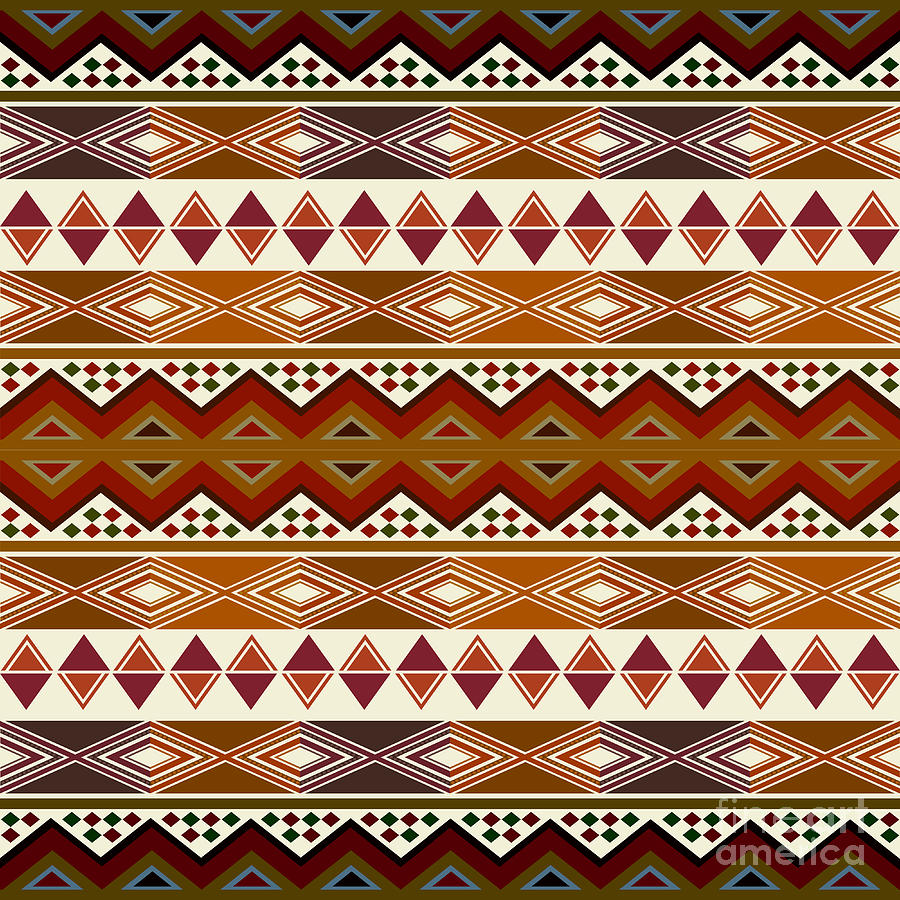
White represents the beginning of process of learning and black, the accumulation of wisdom. Africa has a wealth of patterns, everywhere youlook you will see repetitions of shapes and colours, textures and lines laid out in allsorts of arrangements. CraftsmanshipOkene is a “prestige” fabric woven by Ebira women, who weave on wide stationery looms inside the house, as opposed to Ebira men who weave on narrow hand looms. Okene clothMany women’s weaves are named after the villages or area the fabric comes from such as “Okene”, “Akwete”, (woven by Ibo women) or “Bida” (woven by Nupe women).
By integrating African patterns into our artistic endeavors and embracing cross-cultural understanding, we contribute to a world where diverse cultural heritages are respected, celebrated, and cherished. In conclusion, the art of African Kente cloth weaving is experiencing a renaissance in contemporary applications and innovations. From new patterns and colors to the exploration of new materials and techniques, modern weavers are pushing the boundaries of this ancient art form. The incorporation of Kente cloth into fashion, home decor, and art installations allows for a wider audience to appreciate and engage with this rich cultural heritage. As we continue to celebrate and embrace the beauty and significance of Kente cloth, we can look forward to even more exciting developments in the future.
As you are looking for some unique African fonts to add them as elements in your graphic designs using Photoshop; here is a list of 10 elegant Photoshop African Pattern Designs which can best meet your needs. The geometric elements are beautifully arranged in sophisticated combinations of both shapes and colours. Sadly, in this modern era, a lot of the meaning and historical significance of various shapes or motifs is lost to us and can only be conjectured about. CraftsmanshipAdire is the name given to indigo dyed cloth produced by Yoruba women of south western Nigeria using a variety of resist dye techniques.
Traditional images, typography and cultural values are reflected in the design of public signs, advertisement posters, web design and logos. Like other forms of art, graphic design communicates the identity and socio-cultural values of a group of people that have originated with purpose. The graphic novels, public signs, consumer packages and the mass media carry a voice embedded in their graphic design that deciphers the cultures that created them. The history and origins of African Kente cloth weaving are deeply rooted in the rich cultural heritage of the Ashanti people of Ghana.
Traditional African art’s innovative components are a monument to the exceptional ability and unlimited inventiveness displayed by African artists. These components go beyond basic aesthetics, acting as windows into the complicated fabric of beliefs and aspirations that is woven throughout many societies. Sculptural expertise is a fundamental cornerstone, comprising a range of works from vast monumental sculptures to intricate miniatures. These sculptures effortlessly embrace ideas of splendour, energy, and spirituality, frequently leveraging the power of abstraction to impart a long-lasting, eternal first-rate. The expressive mask, which is important to many African traditions, transforms into active conduits, flawlessly integrating creativity and capability.



No comments:
Post a Comment